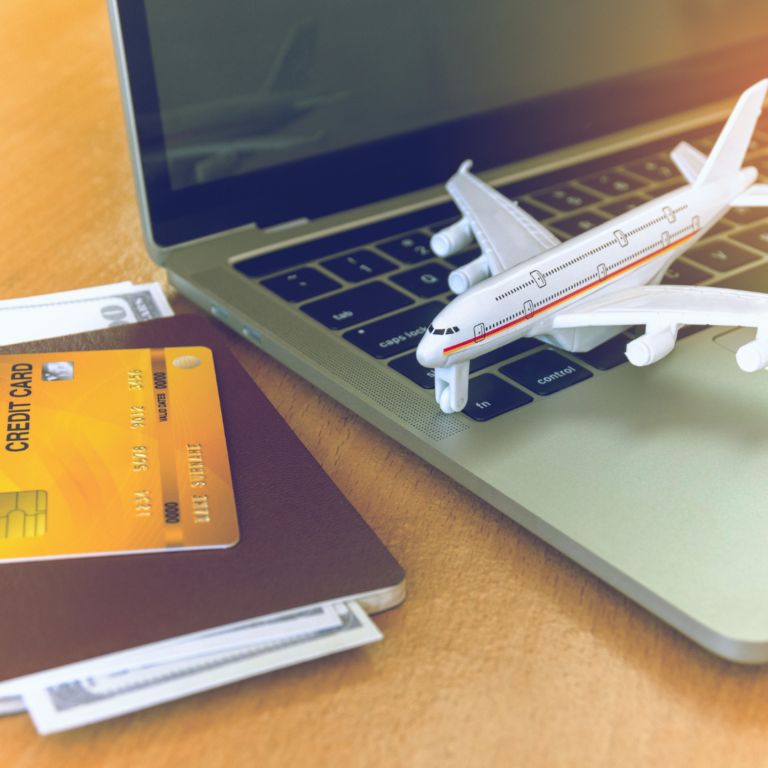


Travel enthusiasts often seek ways to stretch their budgets while still enjoying memorable experiences. Several budget-friendly airlines stand out for their ability to provide affordable flights without compromising service quality. These carriers not only cater to cost-conscious travellers but also offer competitive flight deals that make booking cheaper and easier.
In a market brimming with options, identifying the most reliable affordable airlines can significantly enhance travel plans. This not only helps in saving money but also ensures that trips are enjoyable and hassle-free. Understanding which airlines provide the best value can transform how individuals approach their travel budgets.
Whether planning a weekend getaway or a distant journey, selecting the right budget airline is key to a successful trip. With the correct information at hand, travellers can discover how to maximise their travel experiences while keeping expenses in check.
Understanding Budget Airlines
Budget airlines, also known as low-cost carriers, have transformed air travel by offering affordable options for travellers. Key characteristics include stripped-down services and lower ticket prices, appealing to cost-conscious consumers. The following sections focus on defining low-cost carriers, examining differences between traditional and budget airlines, and analysing the unique business models of budget carriers.
Defining Low-Cost Carriers
Low-cost carriers (LCCs) are airlines that offer significantly lower fares compared to traditional airlines. They achieve this by eliminating unnecessary services and reducing operational costs.
Common features of LCCs include:
- No-frills approach: Basic services like in-flight meals and entertainment may not be included.
- Direct sales: Many budget airlines sell tickets directly through their websites, avoiding travel agent commissions.
- Point-to-point transit: Instead of connecting flights, budget airlines often operate point-to-point routes to keep costs down.
These characteristics enable budget airlines to attract travellers looking for the cheapest fares, especially in regions like Europe, where many LCCs operate.
Differences Between Traditional and Budget Carriers
Traditional carriers, often referred to as full-service airlines, provide a range of amenities that budget airlines typically do not include.
Key differences include:
- Cabin classes: Traditional airlines usually offer multiple classes, such as economy, business, and first class, while budget airlines focus solely on basic economy.
- Baggage policies: Full-service airlines often include checked baggage in their fares, while budget airlines may charge extra for any luggage beyond a small cabin bag.
- Flight frequency and connections: Traditional airlines may offer more frequent flights and connections, while budget carriers often prioritise direct, low-cost routes.
This distinction impacts travellers’ choices based on needs and budgets.
The Business Model of Budget Airlines
The business model of budget airlines revolves around minimising costs and maximising efficiency. They focus on high aircraft utilisation with quick turnaround times at airports.
Elements of this model include:
- Fleet standardisation: Many budget carriers operate a single aircraft type to simplify maintenance and training.
- Secondary airports: Budget airlines frequently use smaller, less congested airports that charge lower landing fees.
- Ancillary revenue: Budget carriers often generate significant income from add-ons such as priority boarding, in-flight purchases, and seat selection.
By prioritising cost efficiency, budget airlines can offer lower fares while maintaining profitability.
Top Budget-Friendly Airlines Overview
Budget-friendly airlines often provide an alternative to traditional carriers, offering lower fares and increased accessibility for travellers. This overview highlights some of the leading names in the budget airline sector, examining their offerings, customer satisfaction ratings, and key characteristics.
EasyJet
EasyJet is a prominent low-cost airline based in the UK, known for operating a wide range of routes across Europe. With a focus on affordability, it offers competitive prices, especially when booked in advance. EasyJet frequently ranks well in customer satisfaction according to Skytrax, making it a favourite among budget-conscious travellers.
The airline provides various services like online check-in and flexible fare options, catering to different travel needs. Additional charges may apply for checked baggage and seat selection. EasyJet operates from major airports, which adds to its convenience for many passengers.
Ryanair
Ryanair is one of Europe’s largest low-cost carriers, renowned for its ultra-low fares. While the ticket prices are attractive, travellers should be mindful of extra fees for services such as priority boarding and checked luggage. Ryanair maximises cost savings by flying to secondary airports, which can sometimes be farther from urban centres.
Despite mixed reviews related to customer service, the airline boasts a vast network that covers numerous destinations across Europe. Frequent deals and promotions can provide travellers with significant savings, making Ryanair a competitive choice in the budget airline industry.
Norwegian
Norwegian Air Shuttle, commonly known as Norwegian, has gained attention for its affordable long-haul flights, particularly from Europe to North America. They focus on providing a modern flying experience with comfortable seating and complimentary Wi-Fi on select flights.
Norwegian has made strides in customer satisfaction, listing high on Skytrax ratings among low-cost carriers. Although it offers competitive fares, additional costs for baggage and food should be considered when budgeting for a trip.
Wizz Air
Wizz Air, based in Hungary, focuses on Eastern and Central Europe, providing low fares for diverse routes. Known for its colourful branding and extensive network, it appeals to both leisure and business travellers. The airline offers various fare structures, allowing for flexibility in ticket purchasing.
Wizz Air has earned recognition for its low prices, but travellers should be aware of the additional costs for services such as checked baggage and seat selection. Reviews vary, but the airline consistently ranks as a strong player in the budget travel market.
Jet2
Jet2 is a UK-based airline known for its customer-friendly approach and no-frills service. It provides a range of holiday packages in addition to flights, appealing to holidaymakers. Jet2 ranks highly in customer satisfaction surveys, often praised for its straightforward service and reliability.
While it primarily focuses on leisure destinations, Jet2 offers competitive pricing, particularly during off-peak travel seasons. Charges for extras like in-flight meals and baggage may apply, but their transparent pricing structure is advantageous for budgeting travellers.
Vueling
Vueling is a low-cost airline from Spain, offering an array of flights within Europe and some routes to North Africa. As part of the International Airlines Group, it benefits from established systems and networks. Passengers appreciate Vueling for its efficient service and competitive fares.
The airline frequently runs promotions, making it an attractive choice for budget-conscious travellers. While it provides basic services at low costs, additional fees for extra baggage and advanced seat selections are common.
Eurowings
Eurowings, a subsidiary of Lufthansa, operates as a low-cost carrier focusing on both international and domestic flights. It caters primarily to the German-speaking market while offering competitive rates across Europe. The airline shines in punctuality and reliability, adding to its credibility among travellers.
While fares are typically low, Eurowings charges extra for checked baggage and in-flight meals. It also offers an upgraded premium product for those seeking additional comfort, balancing affordability with choice.
AirAsia
AirAsia, based in Malaysia, is a leading low-cost airline in Asia, renowned for connecting numerous domestic and international destinations. It has gained a strong reputation for affordability and service, offering attractive fare options to a wide audience.
The airline’s extra services, such as meal options and baggage, are available for purchase. AirAsia often ranks well in customer surveys, reinforcing its commitment to passenger satisfaction while maintaining low operational costs.
Southwest Airlines
Southwest Airlines is a major player in the US budget airline scene, prioritising no-frills service and low fares. It operates a point-to-point route structure, which enhances efficiency and minimises delays. Southwest is notable for its unique policies, such as no change fees and two pieces of free checked luggage.
The airline maintains high levels of customer satisfaction, frequently topping industry surveys. Its commitment to customer service aligns well with budget travel while providing travellers with reliable options.
Spirit Airlines
Spirit Airlines is known for low base fares, focusing on a low-cost model with add-on services. It primarily operates within the United States, with a growing number of international routes. Passengers should note that while ticket prices are low, fees for baggage and seat selection can accumulate quickly.
Despite mixed reviews regarding its customer service, Spirit offers a solid option for budget travellers who prioritise price. The airline encourages transparency in its pricing, although passengers must be aware of the total cost when booking.
Key Factors to Consider When Choosing a Budget Airline
When selecting a budget airline, several key factors impact the overall travel experience. Evaluating ticket prices, baggage policies, reliability, customer service, and in-flight offerings is essential for making an informed decision.
Ticket Prices and Hidden Fees
Budget airlines often advertise low ticket prices, but hidden fees can make the total cost significantly higher. Passengers should carefully review fare breakdowns before booking.
Common hidden fees include charges for seat selection, printing boarding passes at the airport, and payment processing when using certain credit cards.
It is wise to compare the total cost across carriers to identify the best deal. This entails considering all ancillary charges that may not be included in the initial fare.
Luggage and Baggage Fees
Baggage policies vary widely among budget airlines. Many offer low introductory fares but impose high fees for checked luggage and sometimes even carry-on items.
It is crucial to check the airline’s luggage allowed before purchase. Some airlines may have restrictions on size and weight, leading to additional charges at the airport.
Many passengers overlook these fees, which can significantly affect the total travel budget. Consider options like packing light or using alternatives such as courier services to send belongings ahead.
On-Time Performance and Reliability
On-time performance is a vital consideration when choosing a budget airline. Reliability can affect overall travel plans, especially for connecting flights.
Passengers should research an airline’s punctuality record, as delays can lead to missed connections and unexpected expenses.
Many budget airlines operate a tight schedule, making them vulnerable to disruptions. Checking third-party flight tracking websites can provide insights into an airline’s historical performance.
Customer Service and Passenger Revenue
Customer service quality can differ greatly amongst budget airlines, impacting a traveller’s experience. Limited staff on board and at terminals may mean long wait times for assistance.
Budget airlines often rely on self-service options, which can be helpful but may lack a personal touch in emergencies.
Additionally, the revenue model can influence service levels. Airlines that generate income primarily from ticket sales might invest less in customer experience compared to those focusing on passenger satisfaction.
In-Flight Amenities and Comfort
In-flight amenities are generally minimal on budget airlines. Passengers should consider the availability of essential services such as meals and entertainment before flying.
Some airlines charge for in-flight meals, while others might offer complimentary snacks or beverages. Knowing this can help passengers plan for their travel needs.
Seat comfort is another factor; budget airlines often feature tighter cabin configurations. Therefore, reading reviews and checking seat maps can help forecast the comfort level on board.
Travelling Tips With Budget Airlines
Budget airlines often provide significant savings, but travellers need to employ specific strategies for a smooth experience. These tips can enhance the journey while keeping costs low.
How to Find the Best Deals
Utilising fare finders can significantly ease the search for low-cost flights. Websites and apps that compare prices across multiple airlines help identify the best options.
Signing up for airline newsletters can provide access to exclusive promotions. It is also wise to monitor last-minute deals, which can result in lower fares if flexibility permits.
Consider booking flights during off-peak times. Prices tend to be lower mid-week or during non-holidays. Setting fare alerts may assist in tracking fares, enabling travellers to book when prices drop.
Navigating Secondary Airports
Secondary airports often serve as cost-effective alternatives to larger ones. They can provide lower landing fees, translating to cheaper tickets.
Before booking, consider the distance from these airports to the destination. This distance may affect transportation costs and travel time. Research public transport options or parking fees if driving.
While secondary airports typically offer fewer amenities, many have essential services. Be prepared for limited dining and shopping choices, and check for airport lounges that may offer comfort at a fee.
Making the Most of Your Travel Budget
Budget airlines often charge for extras, so it is essential to plan wisely. Understanding what is included in the fare can prevent unexpected costs.
Pack light to avoid checked baggage fees. Many airlines have weight limits for carry-ons, meaning travellers should optimise their packing.
Bringing snacks and drinks can also help stick to the travel budget. Buying food at airports can be costly; preparing in advance can save a considerable amount over time.
Preparation Before Flying
Preparation is crucial when flying with budget airlines. Ensure all travel documents are in order well in advance. This includes checking passport validity and visa requirements.
Read the boarding process instructions carefully, as budget airlines may have specific rules. Arriving at the airport early can help avoid missing a flight due to long queues at check-in or security.
Checking in online typically saves time and allows seat selection. Take note of the airline’s policies on changes or cancellations to avoid extra fees.