
Selecting the perfect campsite can significantly enhance the outdoor experience, making it both enjoyable and comfortable. To choose the right site, consider factors such as accessibility, proximity to water sources, and the suitability of the terrain for activities like hiking or fishing.
Campsites vary widely in amenities and features, from basic pitches to fully equipped facilities. Evaluating personal preferences for solitude versus community, as well as desired activities, is crucial. A well-chosen campsite not only provides a scenic backdrop but also ensures convenience and enjoyment throughout the stay.
As outdoor enthusiasts seek new adventures, understanding how to identify the ideal campsite becomes essential. Being equipped with the right tips allows them to navigate options confidently and make informed decisions for their camping journeys.
Understanding the Basics of Campsite Selection
Selecting an ideal campsite involves careful consideration of location and terrain, alongside an assessment of weather conditions specific to the season. Both factors significantly impact the camping experience for seasoned outdoor enthusiasts and first-time campers alike.
Assessing the Location and Terrain
When evaluating a campsite, proximity to water sources is crucial. Having a nearby stream or lake not only provides drinking water but also enhances recreational options like fishing and swimming. Campsites within national parks, state parks, or national forests offer varied terrains that can cater to different camping styles.
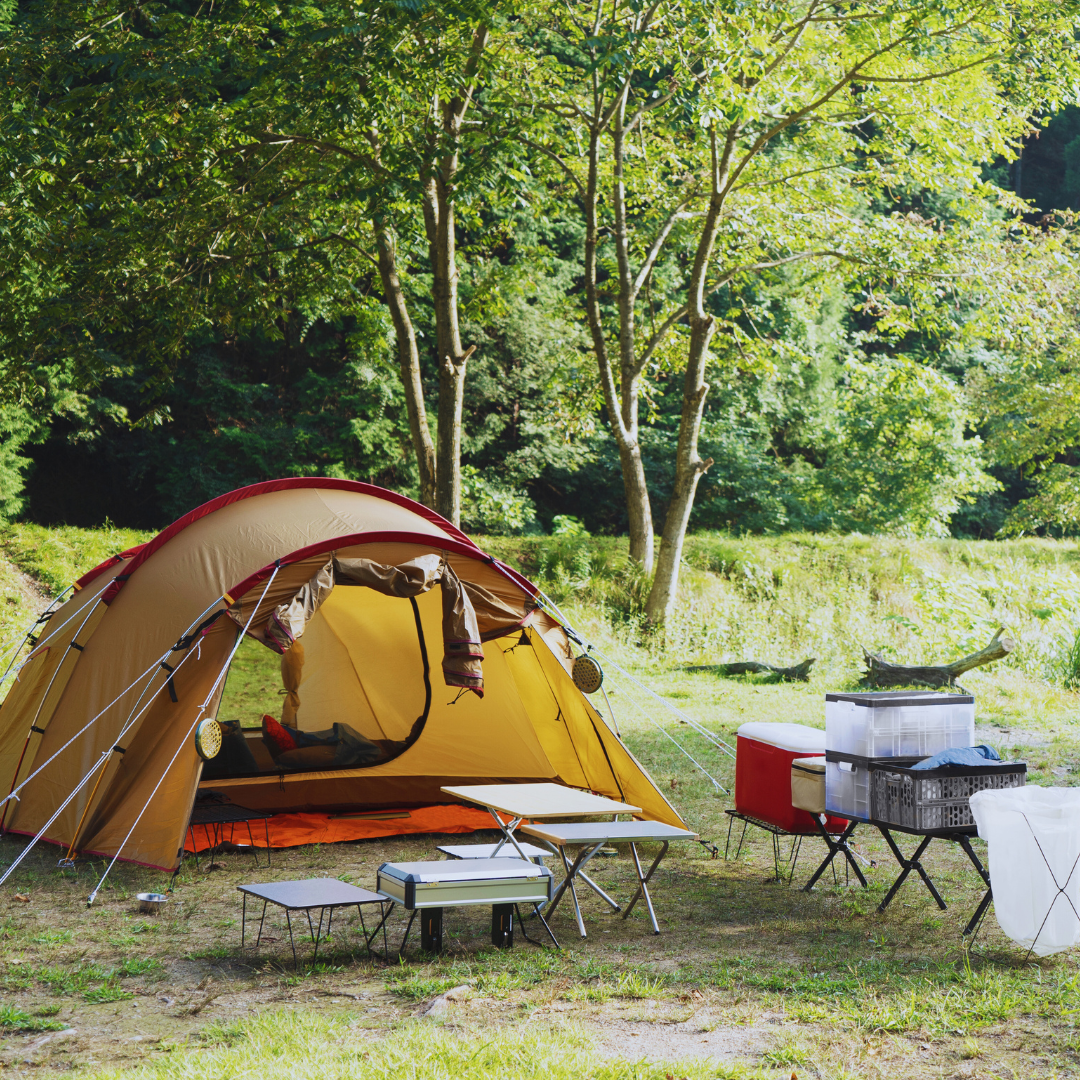
The terrain should also be suitable for pitching a tent. Campers should look for flat, dry ground that is free of debris. Avoid areas prone to flooding or those with loose soil that may shift underweight. Check for natural windbreaks like trees or hills to shield from strong winds, while ensuring that the site is not too close to the water’s edge.
Evaluating Weather Conditions and Season
Weather conditions can greatly influence campsite selection. It is essential to research the typical climate for the chosen location during the intended season. This includes understanding rainfall patterns, temperature ranges, and potential for extreme weather events.
For summer camping, look for areas with shade to escape the heat, while autumn may require a site with good sun exposure for warmth. In winter, campers should select sites that are less exposed to harsh winds. Additionally, know-how weather might affect the accessibility of the campsite, especially in regions that experience heavy snowfall or rain.
Selecting a Campsite for Optimal Experience
When choosing a campsite for an enjoyable experience, it is essential to balance privacy with access to natural surroundings. Additionally, the availability of amenities and ease of accessibility can significantly affect comfort and convenience during the stay.
Prioritising Privacy and Proximity to Nature
Selecting a site that offers privacy can enhance the camping experience. Look for campsites that are not situated too close to others, allowing for a sense of seclusion. This is particularly important in established campgrounds, where sites may be densely packed.
Opt for locations that are surrounded by natural features such as trees or bushes. These elements not only provide a visual barrier but also create a more immersive outdoor experience. Being close to nature increases the likelihood of spotting wildlife and enjoying natural sounds, which can be soothing.
Considering Amenities and Accessibility
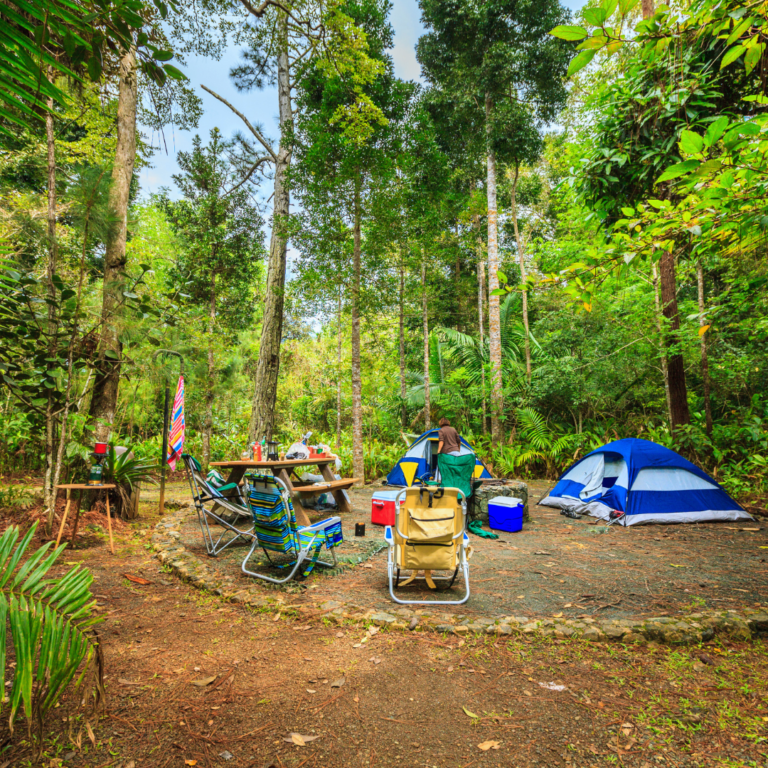
The choice of amenities is a key factor for many campers. Campsites within national and state parks often offer picnic tables, fire rings, and restroom facilities. Assess the available amenities based on the group’s needs to ensure comfort throughout the stay.
Accessibility is another crucial consideration. Campsites that are easily reachable from main pathways or roads provide convenience, especially if carrying heavy equipment. It is beneficial to check accessibility options on platforms like recreation.gov, where detailed information about specific sites is often available. This approach helps campers to better plan their adventure while ensuring a stress-free environment.
Ensuring Safety and Adherence to Leave No Trace Principles
Selecting a campsite with safety and environmental responsibility in mind is crucial for an enjoyable camping experience. Key considerations include protecting wildlife, managing food storage securely, and ensuring the campfire is both safe and leaves a minimal impact on the surroundings.
Preparations for Wildlife and Safe Food Storage
To minimise encounters with wildlife, individuals should implement proper food storage techniques. Storing food in bear-proof containers or bear canisters is essential, especially in areas with high bear activity.
Using hanging systems, such as a bear bag, can also be effective for securing food away from ground level. All food scraps and trash must be disposed of properly to prevent attracting animals.
This adherence to food storage protocols protects both campers and wildlife, reducing the likelihood of conflict and ensuring the preservation of natural behaviours in animals.
Importance of Fire Safety and Campfire Management
Fire safety is paramount when camping. Campers must select sites with existing fire rings to contain flames and reduce the risk of wildfires. Before lighting a fire, it is important to check wind direction, as strong winds can cause embers to spread unexpectedly.
Always use dry, seasoned wood to avoid excessive smoke and reduce the environmental impact. Campers should never leave fires unattended and must extinguish them completely before leaving the site.
Selecting wood that is dead and downed in the environment adheres to Leave No Trace principles while ensuring minimal disturbance to local ecosystems.
Selecting Sites with Proper Drainage and Natural Protection
Choosing a campsite with appropriate drainage is vital to avoid water accumulation and flooding, which could disrupt the camping experience. Areas that are naturally elevated, away from water sources, typically provide better drainage.
Natural protection, such as surrounding trees and vegetation, can act as windbreaks. These features not only enhance safety but also offer shade that helps regulate temperature.
Campers should assess the terrain and ground conditions, ensuring that the selected site is stable and secure. Avoiding steep slopes and selecting flat areas will enhance safety and comfort during the camping trip.