


Planning a long trip — whether it’s a three-month backpacking adventure through Southeast Asia, an extended European road trip, or a six-month sabbatical abroad — is genuinely exciting. But somewhere between booking flights and researching accommodation, travel insurance tends to get pushed to the bottom of the to-do list. That’s a mistake that can turn an unforgettable journey into a financial nightmare.
Long-term travel insurance works differently from the standard single-trip policies most people are familiar with. The coverage options are broader, the pricing structures vary considerably, and the fine print matters far more when you’re away for months rather than days. This guide breaks down everything worth understanding before committing to a policy for an extended trip.
What Is Long-Term Travel Insurance?
Long-term travel insurance — sometimes called extended travel insurance or long-stay travel insurance — is designed for trips that last longer than the typical one or two weeks. Most standard single-trip policies cap out at around 30 to 45 days, so if you’re planning anything beyond that, you’ll need to look specifically for policies built for extended travel.
These policies generally cover trips ranging from one month up to 18 months or even longer in some cases. They’re particularly popular among:
- Gap year travellers and students studying abroad
- Digital nomads working remotely while travelling
- Retirees embarking on extended adventures
- People taking sabbaticals or career breaks
- Backpackers exploring multiple countries over several months
It’s worth noting that long-term travel insurance is distinct from expat insurance, which is designed for people relocating permanently or semi-permanently to another country. If you’re genuinely moving abroad, expat health insurance is likely more appropriate.
Key Coverage Areas to Understand
Emergency Medical Cover
This is, without question, the most critical component of any travel insurance policy — and even more so for long trips. Medical emergencies abroad can be extraordinarily expensive. A serious accident in the United States, for example, can generate hospital bills in the tens of thousands within a single day. According to data from Allianz Travel, the average cost of a medical evacuation can exceed $50,000 USD, and that figure climbs considerably if you’re in a remote location.
When evaluating medical cover for a long trip, pay close attention to:
- Coverage limits — Look for policies offering at least £2–5 million in medical cover, particularly if your travels include the USA, Canada, or other countries with high healthcare costs
- Emergency medical evacuation — This covers transport to the nearest adequate medical facility or, in serious cases, repatriation home
- Pre-existing conditions — A crucial area that deserves its own discussion (see below)
- 24/7 emergency assistance — Reputable policies include round-the-clock support to help coordinate care abroad
Trip Cancellation and Interruption
For a long trip, the financial stakes of cancellation or interruption are higher than for a short holiday. If something forces you to cut a six-month journey short after three months, you could lose prepaid accommodation, tours, transport, and more. Trip interruption cover reimburses these non-refundable costs and often covers the expense of an emergency flight home.
Common covered reasons for cancellation or interruption include serious illness or injury, the death of a close family member, natural disasters, and in some policies, job loss. Be aware that “cancel for any reason” (CFAR) add-ons exist but typically come at a higher premium and only reimburse a percentage of costs.
Baggage and Personal Belongings
On a long trip, your luggage is your life. Losing a laptop, camera, or essential gear three months into a journey is far more disruptive than it would be on a two-week holiday. Most policies include baggage loss or theft cover, but limits can be surprisingly low — often £500–£1,500 overall, with sub-limits per item.
If you’re travelling with expensive electronics, specialist photography equipment, or high-value items, check the per-item limits carefully and consider whether a separate specialist insurance policy makes more sense.
Personal Liability
Personal liability cover protects you if you accidentally injure someone or damage property while travelling. This is often overlooked but genuinely important — particularly for adventure activities or driving abroad.
Pre-Existing Medical Conditions and Long-Term Travel
This is where long-term travel insurance becomes genuinely complex, and it’s an area that catches many travellers off guard. Most standard policies either exclude pre-existing conditions entirely or charge a significant additional premium to include them.
A “pre-existing condition” typically refers to any medical condition that existed before the policy start date — whether it’s been formally diagnosed or not, and sometimes even if it’s currently well-managed. The definitions vary between insurers, which is why reading the policy wording carefully (or speaking to a specialist broker) is so important.
Can I Get Travel Insurance with an Aortic Aneurysm?
Yes, it is possible to obtain travel insurance with an aortic aneurysm, though it requires working with specialist insurers rather than standard high-street providers. Insurers will typically want detailed information about the size of the aneurysm, whether it’s being monitored, any recent changes, and what your GP’s assessment is of fitness to travel. Premiums are likely to be higher, and some policies may exclude aneurysm-related claims or place restrictions on destinations or trip duration. Specialist medical travel insurance providers and comparison tools designed for people with serious conditions are the best starting point.
Does Atrial Fibrillation Affect Travel Insurance?
Atrial fibrillation (AF) does affect travel insurance, but it doesn’t make cover impossible to obtain. Many people with well-managed AF travel extensively and are able to secure comprehensive cover. Insurers will typically ask about the frequency and severity of episodes, current medication, any recent hospital admissions, and whether the condition is considered stable. Declaring AF honestly is essential — failing to do so could invalidate any claim made during the trip, even for an unrelated condition.
Can You Get Travel Insurance with Pancreatitis?
Travel insurance is available for those with a history of pancreatitis, though the terms will depend on whether the condition is acute or chronic, how recently a flare-up occurred, and whether it’s currently managed. Chronic pancreatitis may attract higher premiums and potentially exclusions for related claims. As with other serious conditions, specialist insurers who focus on pre-existing conditions offer the broadest options.
What’s the Best Travel Insurance for Diabetes?
Diabetes is one of the more commonly declared pre-existing conditions in travel insurance, and the market has responded accordingly — there are numerous insurers experienced in providing cover for people with both Type 1 and Type 2 diabetes. The best policies for diabetic travellers will cover diabetes-related emergencies, include cover for insulin and medication, and not penalise travellers simply for having a well-managed condition. Key things to look for include whether hypoglycaemic episodes are covered, how the insurer defines “stability,” and whether there are any restrictions on activities. Comparing specialist providers rather than relying on standard comparison sites typically yields better results.
Adventure Activities and Sports Cover
One of the most common gaps in standard travel insurance policies is adventure activities cover. If your long trip includes hiking, scuba diving, skiing, bungee jumping, motorbike riding, or any number of other activities considered “high risk,” you’ll likely need additional cover or a policy specifically designed for adventure travel.
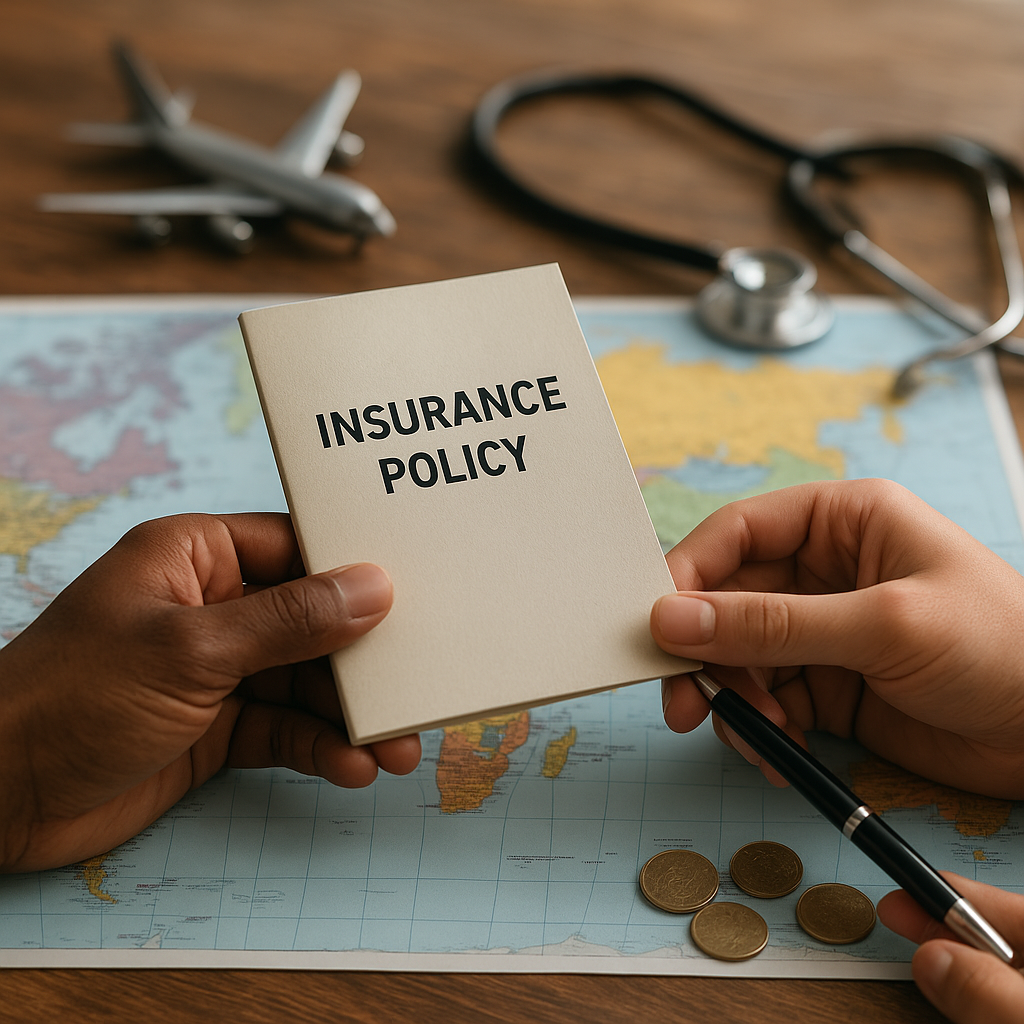
Always check the policy’s list of excluded activities before purchasing. Some activities that many travellers consider routine — such as riding a moped, trekking above a certain altitude, or even snorkelling — may not be covered under a basic policy.
Understanding What Travel Insurance Doesn’t Cover
Knowing the limitations of a policy is just as important as understanding what it includes. Common exclusions across most travel insurance policies include:
- Undeclared pre-existing medical conditions — As mentioned, failing to declare conditions can void your entire policy
- Incidents involving alcohol or drugs — Claims arising from accidents while under the influence are frequently excluded
- Travel to regions with active Foreign Office advisories — If your government advises against travel to a destination and you go anyway, you may not be covered
- Reckless behaviour — Vague but genuinely applied by insurers in some cases
- Pandemics and epidemics — Coverage varies enormously between policies since the COVID-19 pandemic
- Routine dental treatment — Emergency dental cover is sometimes included, but routine check-ups are not
- High-value items not specifically listed — Expensive equipment may need to be individually specified
How Much Does Long-Term Travel Insurance Cost?
The cost of long-term travel insurance varies widely depending on several factors: your age, destination(s), the length of the trip, the level of cover selected, and whether you have any pre-existing conditions. As a rough guide, a healthy young adult travelling for six months might expect to pay anywhere from £200 to £600 for a comprehensive policy, though prices increase significantly with age or health complexity.
Destinations matter considerably too. Policies that include the United States will typically cost more due to the high cost of healthcare there. Some travellers choose to take out a separate policy whenever they enter the US, using a less expensive global policy for the rest of their travels — though this requires careful management to ensure there are no gaps in cover.
Comparing prices is sensible, but it’s important not to let cost be the only deciding factor. A cheap policy with low medical limits or broad exclusions can leave you significantly underinsured when it matters most.
Practical Tips for Buying Long-Term Travel Insurance
- Buy early — Purchasing a policy as soon as travel is booked means you’re covered if something forces cancellation before you even leave home
- Read the policy wording — Not the marketing summary — the actual policy document, particularly the exclusions section
- Declare everything honestly — Undisclosed conditions are the most common reason claims are rejected
- Check your destination list — Make sure every country you plan to visit is covered, including any spontaneous detours. Using trip planning apps can help you map out your itinerary and avoid overlooking destinations
- Keep a copy of your policy accessible — Store it in email, cloud storage, and give a copy to someone at home
- Know the claims process — Understand what documentation you’ll need to make a claim before you need to make one
In Summary
Long-term travel insurance is not a luxury or an optional extra — it’s a fundamental part of planning any extended trip responsibly. The core things to focus on are robust emergency medical cover with high limits, honest and thorough declaration of any pre-existing conditions, appropriate adventure activities cover if needed, and a clear understanding of what the policy excludes.
The travel insurance market for extended trips has grown considerably, and there are good options available even for travellers with complex medical histories. The key is doing the research, comparing specialist providers where necessary, and never assuming that the cheapest or most convenient policy will be adequate. Taking the time to understand your cover before departure is far less stressful than discovering its limitations in the middle of a medical emergency thousands of miles from home.