
Setting up a campsite requires more than simply pitching a tent; it involves careful planning and consideration to ensure a comfortable and enjoyable experience. To set up your campsite like a pro, focus on selecting the right location, organising your gear efficiently, and creating a welcoming atmosphere. Thoughtful preparation can transform a standard camping trip into an unforgettable adventure.
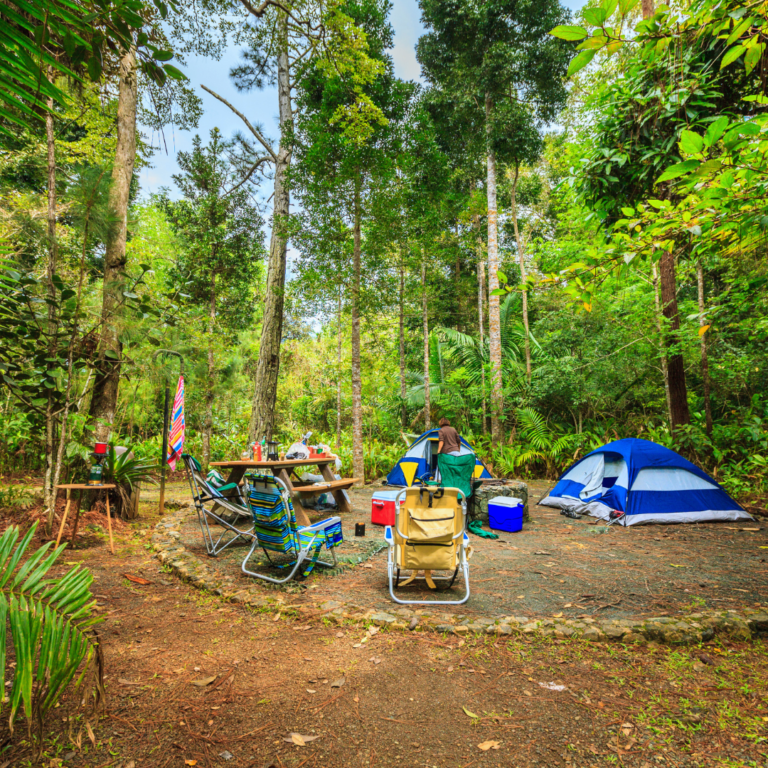
The ideal campsite will be level, dry, and away from hazards like falling branches or insects. Once the site is chosen, arranging gear for easy access and comfort is essential. This includes establishing zones for cooking, sleeping, and relaxation, which can significantly enhance the camping experience.
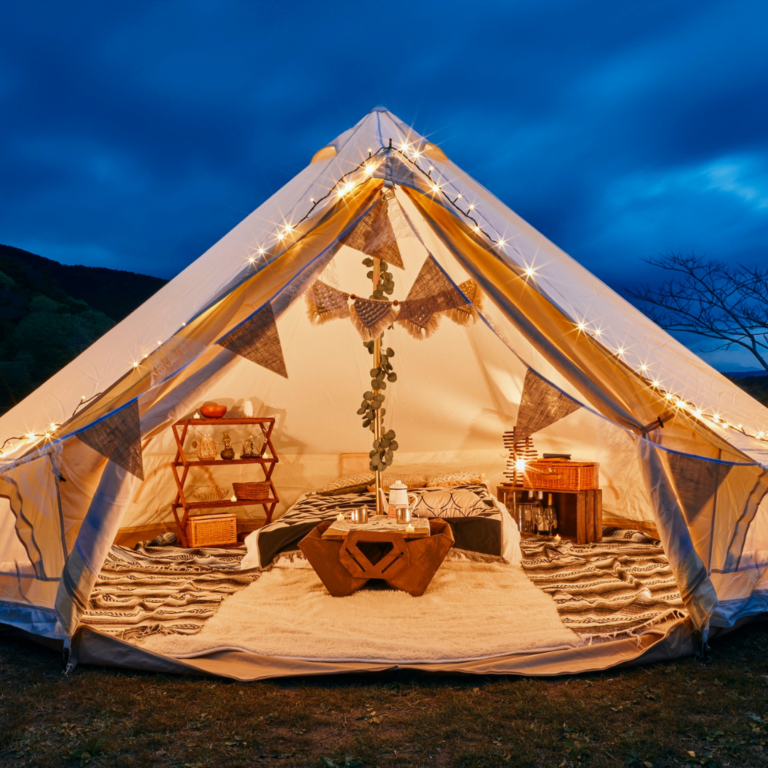
Lighting, seating, and personal touches can make a campsite feel homely. Simple elements, such as lanterns or string lights, can provide warmth and ambience after dark. By implementing these strategies, campers can elevate their time in nature and enjoy a fully-fledged outdoor retreat.
Selecting the Ideal Campsite
Choosing the right campsite is crucial for a successful camping trip. Important factors include assessing terrain and weather conditions, proximity to amenities and water sources, and minimising impact through Leave No Trace principles.
Assessing Terrain and Weather Conditions
Choosing flat, dry ground is essential for comfort and stability. Campsites should be away from water sources to avoid flooding and should be sheltered from strong winds. Local wildlife poses another concern; campers must be aware of animal habits in the area.
Weather conditions affect not only comfort but also safety. Consider potential weather hazards like storms or extreme temperatures. Check forecasts and prepare for changes. High elevations may experience sudden shifts in weather. A well-placed campsite can mitigate many of these risks.
Proximity to Amenities and Water Sources
Access to amenities can enhance a camping experience. Look for nearby restrooms, trash disposal, and firewood availability. Campsites near trails can provide easy access to exploration and activities.
Water sources are vital for hydration and cooking. A clean, flowing stream or lake is ideal. Campers should be vigilant about the water quality and ensure it’s safe for consumption. It’s wise to carry a water filtration system or purification tablets.
Minimising Impact with Leave No Trace Principles
Following Leave No Trace principles is fundamental to preserving nature. Campers must leave the site as they found it. This includes packing out all waste, including food scraps and toiletries.
Setting up campsites at least 200 feet from water sources helps prevent pollution. Campers should also stick to established trails and campsites to protect local flora. Using biodegradable soap and avoiding harmful chemicals in cleaning products also contributes to keeping the environment clean.
Setting Up Your Shelter and Sleeping Quarters
Creating an effective shelter and sleeping area is essential for a comfortable camping experience. Focus on proper tent pitching and optimizing sleeping arrangements to ensure a restful night in the great outdoors.
Pitching a Tent Securely
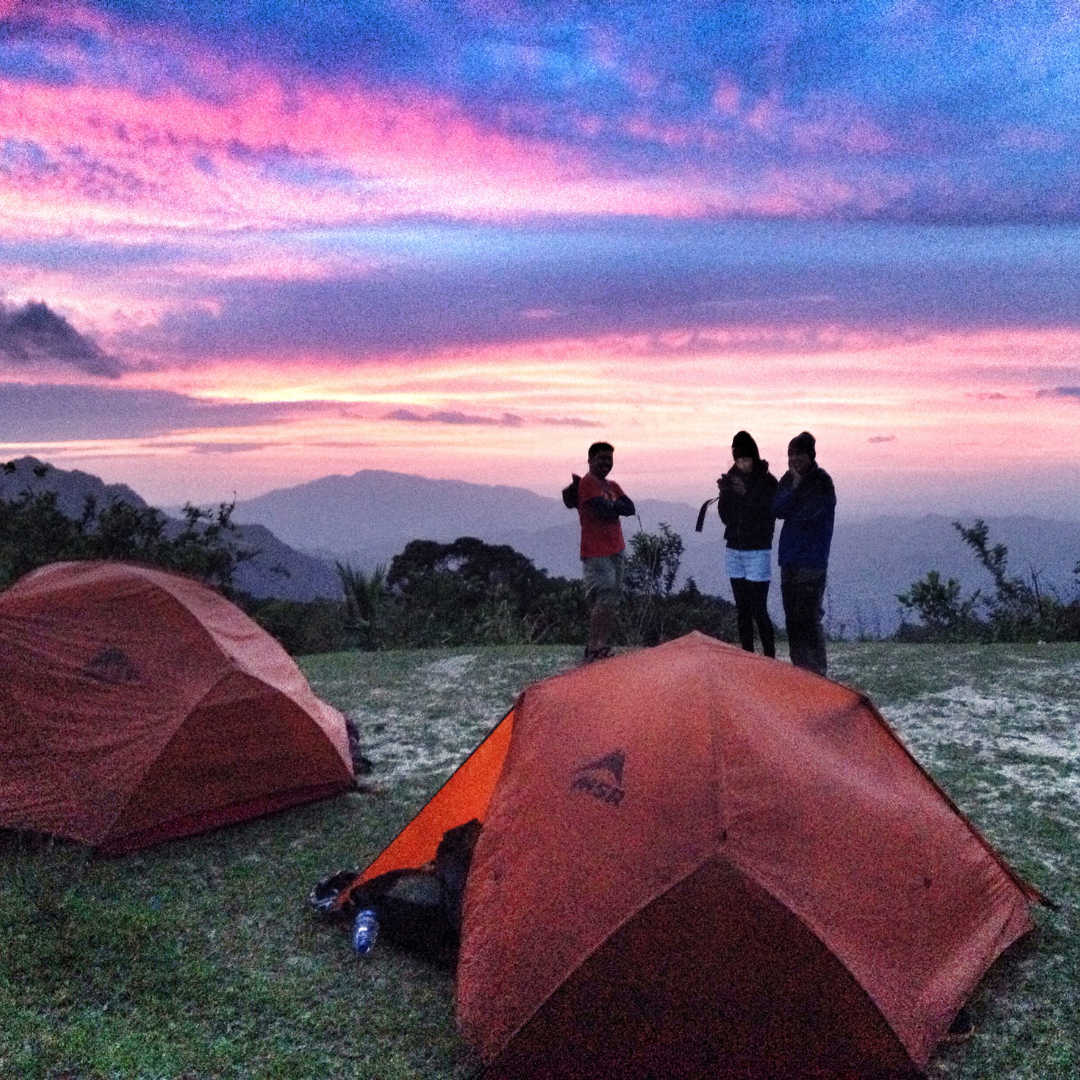
Selecting the right location is the first step in pitching a tent. Look for level ground, away from potential hazards like falling branches or flooding. Clear the area of sharp rocks, sticks, and debris to protect the tent floor.
Secure the tent with stakes at each corner, ensuring they are driven into the ground at a 45-degree angle. This provides stability against wind. For added support, use guylines anchored to the ground with additional stakes.
Before finalising the pitch, check the tent’s rainfly and ensure proper tension to prevent water pooling. Proper ventilation is crucial; keep the doors and windows partially open to reduce condensation.
Optimising Sleep Comfort
A comfortable sleeping area improves rest. Start with a sleeping pad or air mattress to cushion the ground and insulate against cold. Choose a sleeping bag suitable for the weather—select one that’s not too bulky but provides adequate warmth.
Position the sleeping gear in the tent with maximum use of space. Placing the sleeping bag horizontally can help create a more open area. Personal items should be stored neatly in pockets or bags to avoid clutter.
Additional comfort can be achieved with a pillow or a stuff sack filled with clothing. This can enhance head support, reducing neck strain during sleep. A fitted sleeping sheet adds a layer of comfort and warmth.
Creating a Functional Camp Kitchen
An efficient camp kitchen enhances the camping experience. Proper organisation of cooking and food storage, along with essential cooking equipment, makes meal preparation easy and enjoyable.
Organising Cooking and Food Storage
Establishing a designated cooking area is vital. This space should be level and away from the tent to prevent odours and attract wildlife. Use a portable table to maintain cleanliness and keep supplies organised.
Food storage requires careful consideration. Use airtight containers to protect against pests and preserve freshness. A cooler is essential for perishable items. Consider elevating food storage on a bench or in a sealed container to deter animals.
Label boxes or containers clearly. Creating a checklist can help streamline meal prep, ensuring necessary ingredients are always at hand.
Essential Cooking Equipment and Tools
Basic cooking equipment includes a camp stove or grill for consistent heat. A portable campfire setup can also enhance flavour. Bring along pots, pans, and utensils suitable for campfire or stove cooking.
Essential tools include a cutting board, knife, and spatula. Don’t forget a reliable can opener and a sturdy set of tongs.
Pack cleaning supplies for easy maintenance. Bring biodegradable soap, a sponge, and a dish towel. This reduces environmental impact while keeping the camp kitchen tidy.
Maintaining Safety and Cleanliness
A well-prepared campsite prioritises safety and cleanliness. Proper waste disposal and essential camping gear contribute significantly to a positive outdoor experience.
Waste Disposal and Leave No Trace
Proper waste disposal is crucial for environmental preservation. Campers must ensure that all rubbish is collected and disposed of appropriately. Use designated bins where available, or pack out all waste.
To minimise impact, follow the Leave No Trace principles. This includes burying human waste in a hole at least 15 cm deep, away from water sources.
Checklist for Waste Disposal:
- Carry reusable bags for waste collection.
- Use portable toilets or biodegradable bags if necessary.
- Be aware of local regulations regarding waste management.
Practising these methods helps protect the natural surroundings and keeps campsites clean for future visitors.
Camping Gear: Lighting and First Aid Essentials
Camping gear should include adequate lighting and a well-stocked first aid kit. Effective lighting improves visibility and safety at night. Headlamps and lanterns are reliable choices, allowing hands-free movement and broader illumination.
A first aid kit must contain the following essentials:
- Adhesive bandages of various sizes
- Antiseptic wipes and ointment
- Pain relief medication such as paracetamol
Regularly check and restock the kit. Keeping gear accessible ensures prompt response to injuries or accidents, enhancing safety during outdoor activities.