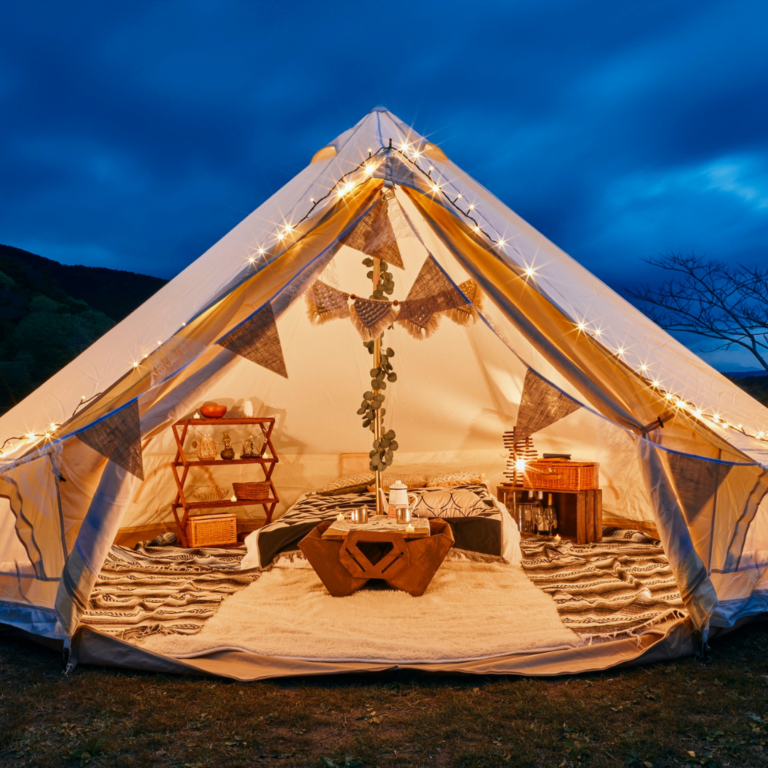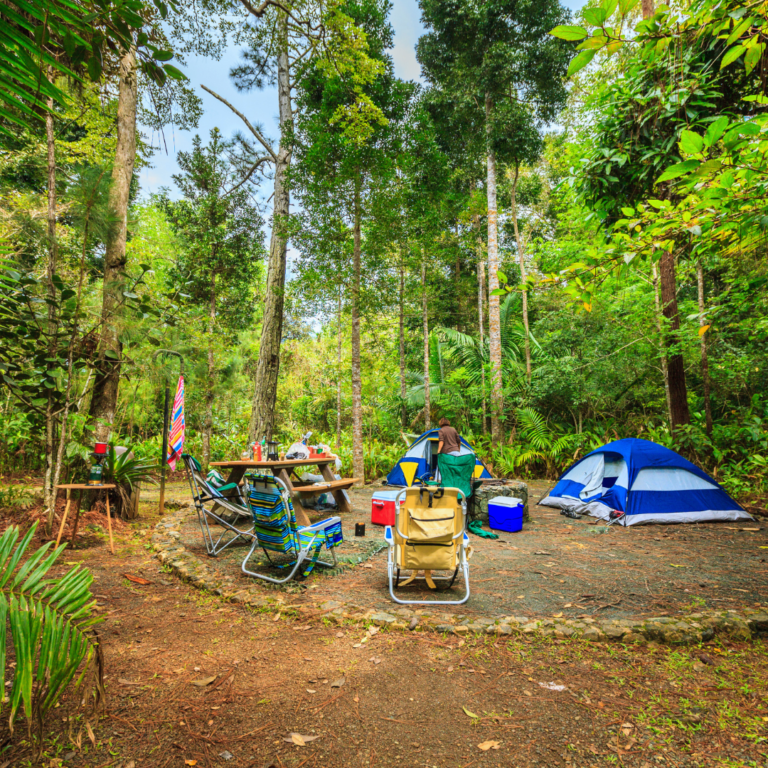
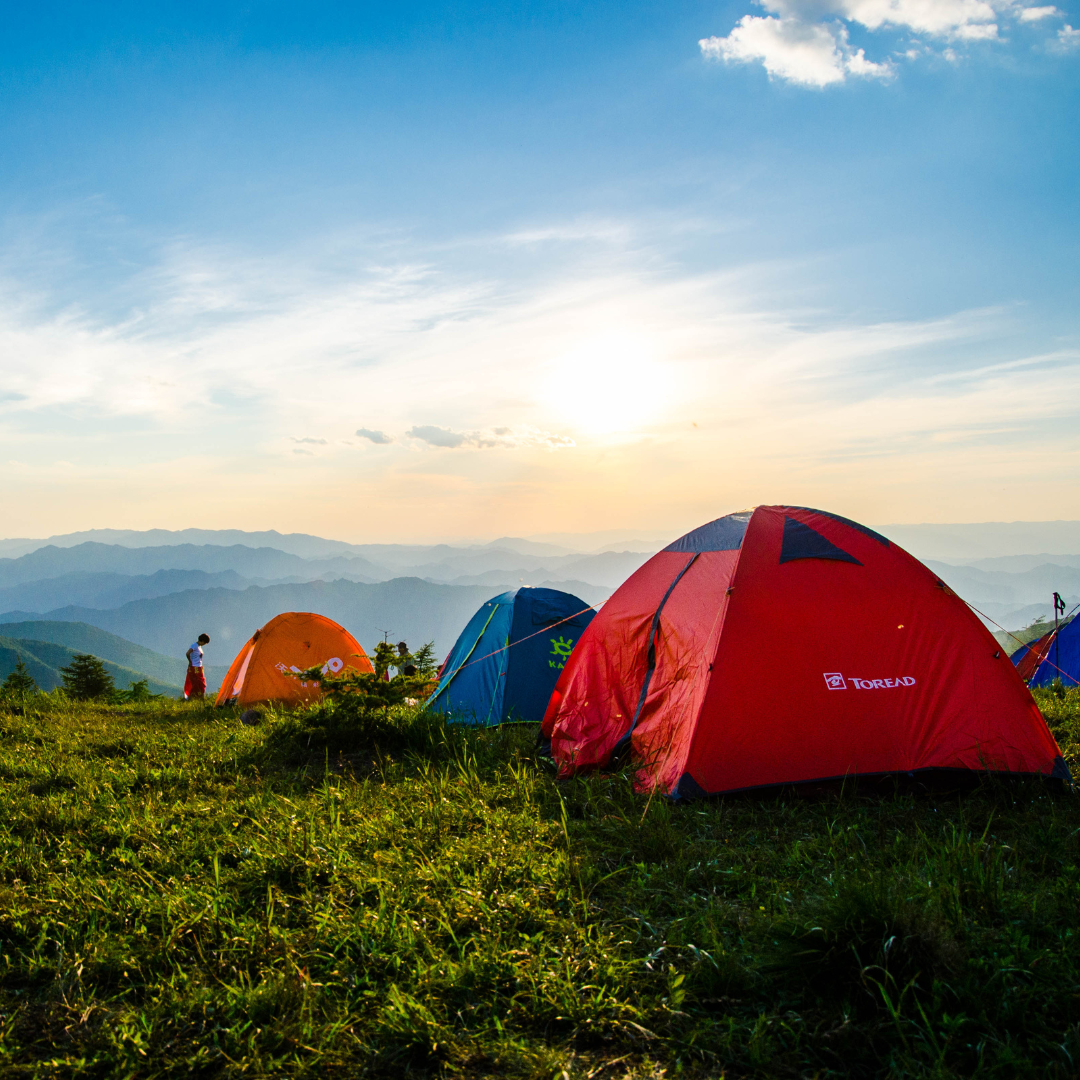

Sustainable camping combines adventure with a commitment to protect the environment. As outdoor enthusiasts embrace the joys of nature, the need for eco-friendly camping practices becomes increasingly crucial. Camping sustainably not only minimises the ecological footprint but also preserves the beauty of natural landscapes for future generations to enjoy.
Through simple actions, such as leaving no trace, choosing sustainable gear, and respecting wildlife, campers can make a significant impact. Understanding these practices ensures that outdoor exploration remains a rewarding experience while fostering a deeper connection to the environment. With a focus on sustainability, everyone can contribute to preserving the planet’s pristine areas.
Planning for Sustainability
Sustainable camping relies heavily on thoughtful planning. By making eco-conscious choices throughout the camping process, individuals can minimise their impact on the environment.
Choosing Eco-Friendly Destinations
Selecting an eco-friendly destination is the first step in sustainable camping. Campers should look for sites that promote ecotourism and conservation efforts. Researching parks that have sustainable practices, such as limiting the number of visitors, can lead to a more responsible camping experience.
Consider destinations that focus on preserving natural habitats. For instance, areas that allow only minimal disturbance to wildlife and vegetation are ideal. Additionally, opting for locations accessible by public transport or carpooling can reduce carbon emissions significantly. Ensure the chosen site is committed to sustainability by checking its policies on waste management and resource usage.
Pre-Trip Preparation
Before heading out, thorough preparation can enhance sustainability. Campers should invest in eco-friendly camping gear, such as tents made from sustainable materials and biodegradable supplies. This reduces the reliance on single-use plastics.
Planning meals in advance helps minimise food waste. Opt for ingredients that have minimal packaging or are locally sourced.
People should also consider using electric vehicles if travelling a long distance. This reduces the carbon footprint associated with camping trips. Moreover, creating a list of essential items will prevent unnecessary purchases. Always prioritise reusable items over disposable ones.
Respectful and Sustainable Camping Practices
Practising sustainability while camping is essential for preserving the environment and minimising one’s impact on nature. Adopting specific techniques can significantly reduce environmental footprints and ensure respect for wildlife and their habitats.
Setting Up Camp
Selecting the right campsite is crucial for sustainable camping. Campers should seek flat, durable surfaces, such as established campsites or previously cleared areas. This helps prevent damage to vegetation and wildlife habitats.
When pitching tents, ensure they are set up at least 200 feet away from water sources to protect fragile ecosystems. Take care not to disturb the surrounding area and avoid using natural materials for creating shelters. Using portable and lightweight equipment further promotes sustainability.
Minimising Your Environmental Footprint
To reduce the environmental footprint while camping, consider using eco-friendly products. Bring biodegradable soap and reusable containers for food. Limiting single-use plastics is essential; bring a refillable water bottle instead.
Creating a compact waste system is important. Campers should follow the Leave No Trace principles by sorting waste into compost, recycling, and rubbish. All waste, including food scraps, must be taken out of the campsite. This practice protects wildlife and prevents them from foraging in dangerous areas.
Respecting Wildlife and Natural Habitats
Respecting wildlife is a key component of sustainable camping. Campers should refrain from feeding animals, as this can disrupt their natural behaviour and lead to harmful encounters. Maintaining a safe distance ensures that wildlife remains undisturbed.
When hiking or exploring, stick to marked trails to prevent damaging native plants and habitats. Avoid loud noises that can scare wildlife away. Educating oneself about local species can further enhance the camping experience by fostering an appreciation for biodiversity while promoting responsible interactions with nature.
Managing Waste and Resources
Sustainable camping revolves around reducing waste and efficiently using resources. Effective practices in waste management and resource conservation are crucial for a lower environmental impact while enjoying outdoor experiences.
Waste Reduction Strategies
Adopting waste reduction strategies significantly minimises the environmental footprint of camping. Campers should prioritise using biodegradable products wherever possible. This includes utensils, plates, and packaging that will decompose naturally.
Implementing the principle of “pack it in, pack it out” ensures that all waste is taken home, reducing littering in natural areas. To facilitate waste management, campers can set up dedicated receptacles for recycling and proper waste disposal.
Another effective strategy is composting food scraps, which not only reduces waste but also enriches soil in camping areas. This practice further promotes sustainability and encourages the natural decomposition process.
Efficient Energy and Water Use
Efficient energy and water usage are crucial for sustainable camping. Campers should consider using renewable energy sources like solar panels for electricity needs. These systems offer a clean energy alternative and can power devices and appliances without reliance on fossil fuels.
Water conservation is equally important. Campers must avoid wastage by using eco-friendly products that require less water for cleaning. Taking short showers, reusing water for rinsing dishes, and collecting rainwater can further enhance water-saving efforts.
Lastly, ensuring equipment is energy-efficient contributes to sustainability. Utilising LED lights and energy-efficient devices will significantly lower energy consumption during camping trips.
Essential Sustainable Camping Gear
Selecting appropriate gear is crucial for a sustainable camping experience. Prioritising eco-friendly materials and reducing waste can significantly impact the environment. The following points focus on gear choices that adhere to sustainable practices.
Choosing Environmentally Friendly Camping Gear
When selecting camping gear, preference should be given to items made from eco-friendly materials. This includes gear constructed from recycled plastic, organic cotton, or bamboo. Look for tents and sleeping bags that are produced using sustainable processes that minimise waste.
For cooking, consider bamboo utensils and stainless steel cookware. These alternatives are durable and reduce reliance on single-use plastics. Reusable containers for food storage are essential to limit waste. Choosing solar-powered lights for illumination not only saves energy but also contributes to a greener campsite.
Sustainable Food and Water Supplies
Food and water supplies play a critical role in sustainable camping. To avoid single-use plastics, campers should prepare meals using items that can be reused or recycled. Opt for biodegradable soap for cleaning dishes to minimise pollution.
Hydration is important, so a stainless steel water bottle should be a staple. It eliminates the need for bottled water and reduces plastic waste. Carry lightweight, non-perishable food items that come in minimal packaging. This helps maintain a clean environment while ensuring adequate nutrition.