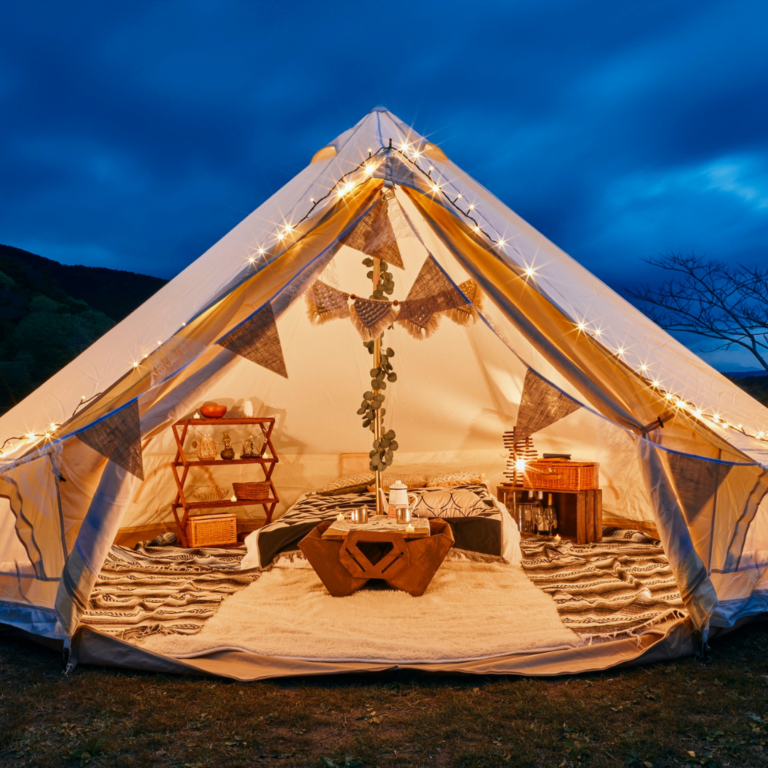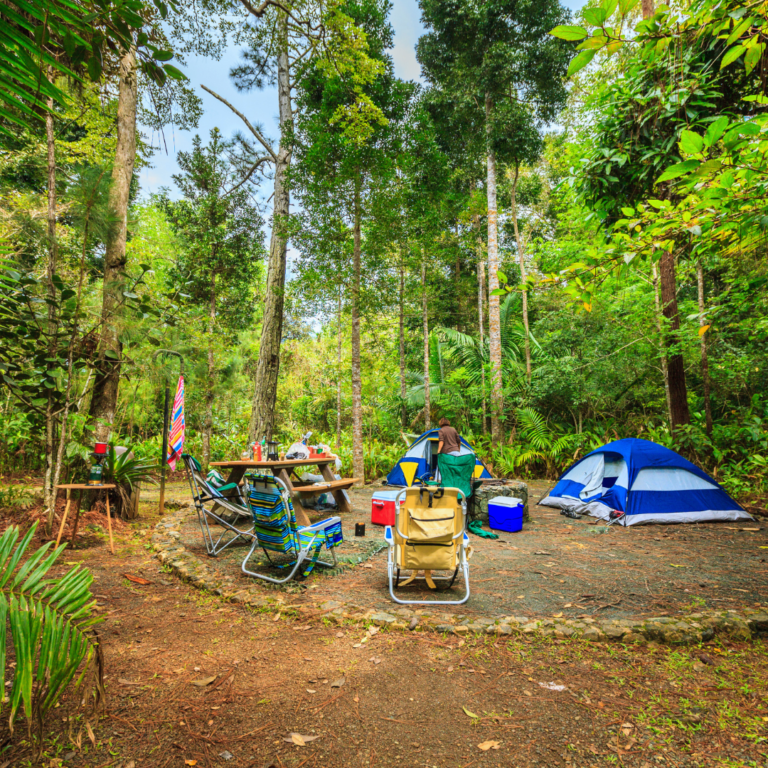
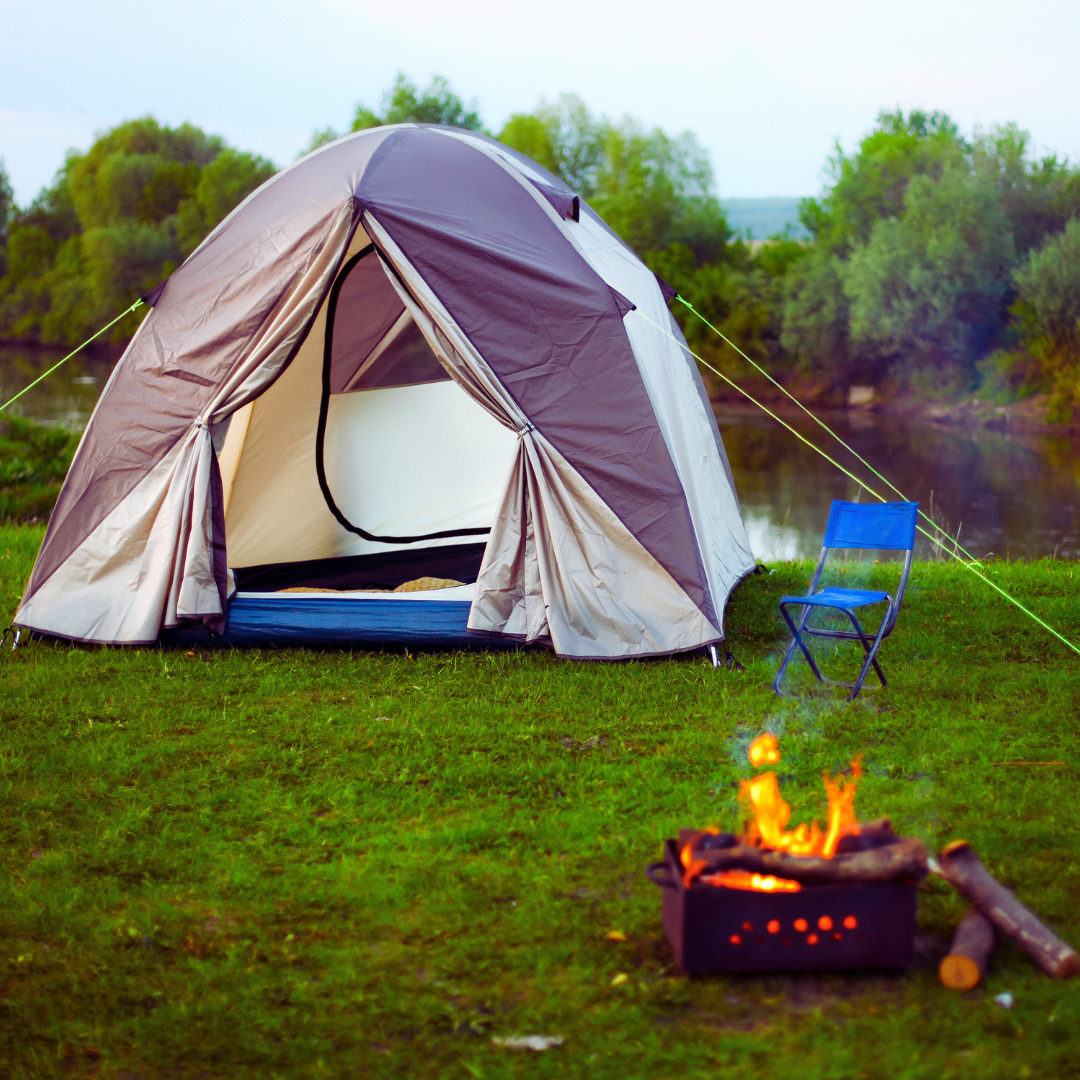

Camping is an enjoyable way to connect with nature and unwind from everyday stresses. For beginners, understanding the essential gear, safety tips, and camping etiquette is crucial to ensure a positive experience. The outdoor adventure provides numerous benefits, including improved mental health, physical activity, and the opportunity to bond with friends or family.
For those new to camping, the view of the great outdoors may seem intimidating at first. Familiarising oneself with basic skills such as setting up a tent, starting a fire, and preparing meals can enhance confidence and self-sufficiency. This guide will break down the fundamental aspects that every beginner needs to know, making the transition into the camping world smooth and enjoyable.
As camping grows in popularity, it remains an accessible way to explore different environments, whether it’s a quiet forest or a scenic beach. With the right preparation and knowledge, anyone can embark on a rewarding camping journey that fosters a deeper appreciation for the natural world.
Preparing for Your First Camping Trip
Planning a first camping trip involves careful consideration of campsite choice, essential gear, and effective packing strategies. Each of these components plays a crucial role in ensuring a successful outdoor experience.
Choosing the Right Campsite
Selecting a suitable campsite is fundamental for a pleasant camping experience. Factors to consider include location, amenities, and regulations.
- Location: Look for campsites near natural attractions like lakes or mountains.
- Amenities: Some sites offer bathrooms, picnic tables, and fire pits. Choose based on comfort level.
- Regulations: Check if permits are required. Understand fire restrictions and wildlife guidelines.
Utilising online resources and reviews can aid in selecting the best spot for tent camping.
Essential Camping Gear
The right gear enhances comfort and safety. Key items include:
- Tent: Choose a reliable, weather-resistant tent, ideally with a waterproof footprint.
- Sleeping Bag: Select a sleeping bag rated for the expected temperature, ensuring warmth.
- First Aid Kit: A basic first aid kit should include band-aids, antiseptic wipes, and pain relief medication.
Other essentials involve cookware, a portable stove, and a reliable flashlight. These items are vital to facilitating outdoor activities and ensuring safety while camping.
Packing Your Camping Essentials
Efficient packing is crucial to maximising space and ensuring no items are forgotten.
- Create a Camping Checklist: List all necessary items, dividing them into categories such as personal gear, cooking equipment, and safety items.
- Use Packing Containers: Consider using dry bags or bins to keep items organised and dry.
- Practice Pitching the Tent: Familiarity with tent assembly decreases setup frustration upon arrival.
This approach streamlines the packing process, ensuring readiness for fun and adventure on the camping trip.
Setting Up Your Campsite
Setting up a campsite requires careful consideration to ensure comfort and safety. Proper tent pitching, campsite arrangement, and adherence to outdoor hygiene are essential for an enjoyable camping experience.
Pitching Your Tent
Selecting the right location for pitching a tent is crucial. Choose a flat, dry area, away from hazards like falling branches or flooding. Ensure the ground is free of sharp objects that could damage the tent.
Using a tarp beneath the tent adds an extra layer of protection against moisture. When pitching, make sure to stake the tent securely, using guy lines to stabilise it against the wind. Follow manufacturer instructions for setup and ensure proper ventilation inside the tent to reduce condensation.
Arranging the Campsite
A well-organised campsite enhances comfort and safety. Place cooking gear, such as a cooler and camp stove, at least 15 feet from the tent to reduce fire risks and keep food away from sleeping areas. Designate a specific spot for all equipment and supplies.
Creating a communal gathering area with seating options can facilitate socialisation. Use logs or portable chairs around a fire pit, ensuring the fire area is at a safe distance from tents and other equipment.
Maintaining clean spaces is also essential. Keep trash in secure containers to prevent attracting wildlife and use designated spots for washing dishes and cooking.
Outdoor Safety and Hygiene
Safety and hygiene are fundamental in a campsite setting. Always keep insect repellent handy to shield against bites. Prepare for the unexpected by bringing a first-aid kit.
Maintain personal hygiene by using biodegradable soap for washing. Designate a toilet area away from the water source. Always follow Leave No Trace principles to protect the environment. This includes packing out trash and minimising campfire impact. On the topic of your campfire, it can be a good idea to pack a fire blanket for camping fires, allowing you to have peace of mind you’re able to put out your fire quickly if it becomes too strong or if you need to leave in a hurry and want to tidy up in a timely manner.
By focusing on these practices, campers create a safer and more pleasant camping experience.
Camp Cooking and Food Essentials
Successful camping requires careful planning in meal preparation and the right cooking gear. This section outlines essential considerations for meal planning and the equipment needed for effective cooking while camping.
Planning Your Meals
To ensure a pleasant camping experience, planning meals in advance is crucial. Focus on simple, nutritious camping meals that can be prepared with minimal fuss.
Include items such as:
- Breakfast: Oatmeal, granola, or scrambled eggs.
- Lunch: Wraps or sandwiches with non-perishable proteins.
- Dinner: Pasta with sauce or rice with beans.
Snacks should also be part of the plan. Non-perishable snacks like nuts, dried fruits, and protein bars provide energy during outdoor activities.
It’s wise to prepare a shopping list with all the ingredients to avoid forgetting anything.
Cooking Equipment and Techniques
The right equipment makes cooking easier and more enjoyable. A portable gas stove is an excellent choice for heating meals quickly. It comes in various sizes and is easy to set up.
Essential items include:
- Pans: Lightweight camping pans or pots for cooking.
- Cutlery: Durable utensils for eating and food preparation.
- Cooler: For perishable items if staying for an extended period.
Simple cooking techniques, such as boiling, sautéing, or grilling on a campfire, enhance the dining experience. Campers should practice basic recipes at home to build confidence. With proper planning and equipment, camp cooking can be both manageable and enjoyable.
Enjoying and Leaving the Campsite
Enjoying the campsite can enhance the overall camping experience. Engaging in relaxing activities and ensuring a responsible departure are key components of a successful camping adventure.
Relaxing and Entertaining Activities
A variety of activities can make time at the campsite enjoyable. Simple pleasures like reading, playing cards, or storytelling around the campfire create a relaxed atmosphere. Outdoor games, such as frisbee or scavenger hunts, are also popular ways to engage with fellow campers.
Nature offers ample opportunities for exploration. Hiking in nearby national parks allows individuals to see beautiful landscapes and wildlife. Wild camping enthusiasts often find new trails and secluded spots to connect with nature.
Photography can also enrich the camping experience. Capturing stunning sunsets, wildlife, and intimate moments helps preserve memories. Encouraging creativity can foster deeper connections among campers.
Leaving No Trace Behind
Responsible camping includes practicing Leave No Trace principles. This ensures that natural environments remain undisturbed for future visitors. Campers should always dispose of waste properly, including food scraps and packaging.
Setting up camps away from water sources protects aquatic ecosystems. Using biodegradable soap for dishes and washing oneself also helps minimise environmental impact. Campfires should be built in designated areas and completely extinguished before leaving.
Campers should ensure that they pack out everything they bring in. This includes trash and any materials used during the stay. Taking these steps contributes to preserving the beauty of the campground and surrounding areas for future generations.