

For those seeking a connection with nature, the choice between glamping and traditional camping can significantly impact their experience. Glamping offers a unique blend of luxury and comfort while still allowing individuals to enjoy the great outdoors, making it an appealing option for many. Traditional camping, on the other hand, often involves more rustic conditions, which can deepen the sense of adventure.
Many people appreciate glamping for its amenities, such as comfortable bedding, electricity, and even gourmet food options. This convenience can make the camping experience accessible to a wider audience, including families or those less inclined to rough it in the wilderness. Traditional camping fosters a more immersive experience with nature, allowing individuals to engage fully in the outdoors.
Ultimately, the choice between glamping and traditional camping boils down to personal preference and the kind of adventure one seeks. Each option offers its own distinct advantages, catering to different lifestyles and desires for outdoor experiences.
Understanding Glamping and Traditional Camping
Glamping and traditional camping provide different experiences for outdoor enthusiasts. Each offers unique characteristics, amenities, and environments that appeal to diverse preferences.
Defining Glamping and Traditional Camping
Glamping, short for glamorous camping, combines the beauty of nature with luxury elements. It often includes comfortable bedding, electricity, and stylish accommodation options such as yurts, safari tents, luxury tents, and treehouses. Glamping typically provides a more curated experience, allowing guests to indulge in the outdoors without sacrificing comfort.
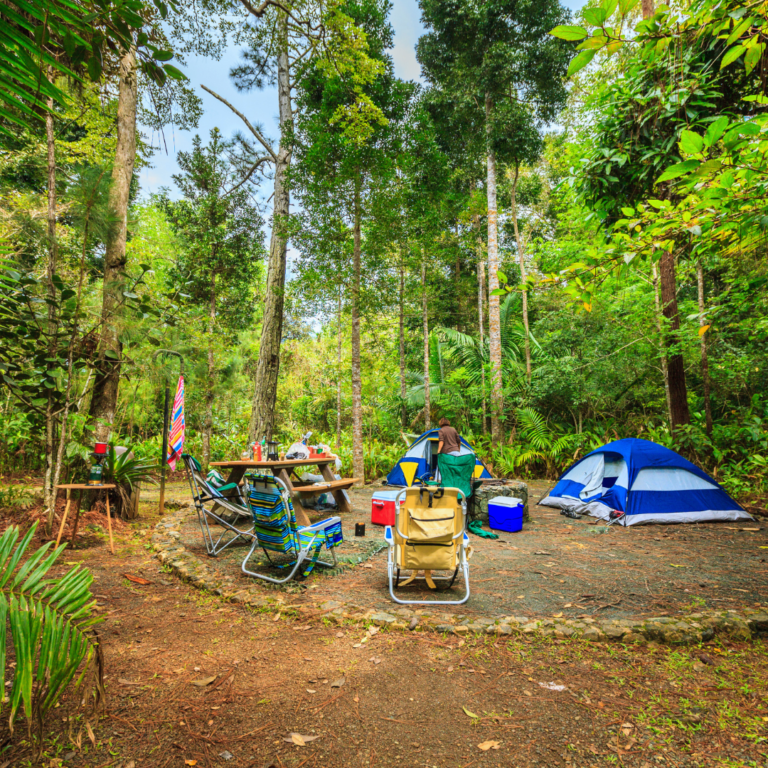
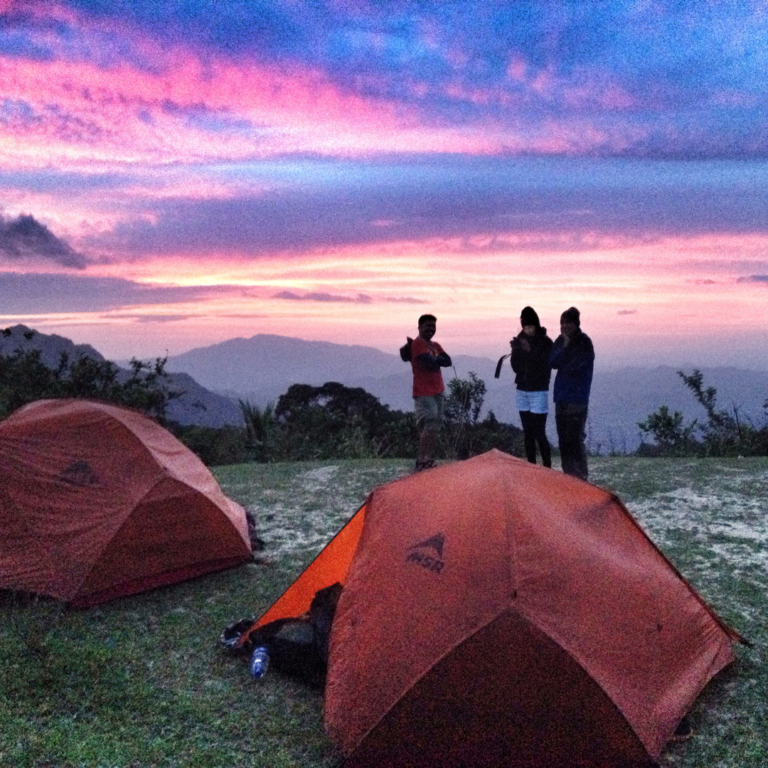
Traditional camping, or regular camping, focuses on a more rustic experience. Campers often sleep in tents or outdoors using sleeping bags. Amenities are minimal, and the emphasis lies on self-sufficiency and immersion in nature. This method often includes cooking over a campfire and enjoying simple outdoor activities, connecting more intimately with the environment.
Key Differences Between Glamping and Regular Camping
The primary difference between glamping and traditional camping is the level of comfort and amenities provided.
Glamping:
- Luxurious accommodations (yurts, cabins, treehouses)
- Comforts like proper bedding, bathrooms, and electricity
- Often includes additional activities or services
Traditional Camping:
- Basic shelters or tents
- Sleeping bags and minimal gear
- Focuses on self-sufficient experiences and nature immersion
While both methods offer unique benefits, glamping appeals to those seeking comfort and ease, whereas traditional camping is more suited for adventure enthusiasts who enjoy a more rugged approach.
Pros and Cons of Glamping versus Traditional Camping
Glamping offers an enhanced camping experience with numerous comforts, while traditional camping embraces a simpler, rustic lifestyle. Each choice presents distinct advantages and challenges, depending on personal preferences and the desired level of comfort.
The Luxuries of Glamping
Glamping prioritises comfort and convenience, featuring comfortable bedding and private bathrooms. Many glamping facilities come equipped with running water, showers, and air conditioning, allowing guests to enjoy nature without sacrificing modern amenities.
Beyond these essentials, luxurious features such as outdoor lounges, fire pits, and even gourmet meals are often part of the experience. This elevated level of comfort makes glamping especially appealing to those who may feel hesitant about traditional camping.
Moreover, many modern glamping providers enhance this experience even further by pairing luxury with breathtaking surroundings. For example, popular platforms like Greenhill Glamping often offer thoughtfully designed spaces that blend rustic charm with high-end comforts, creating a peaceful retreat without compromising on convenience.
Overall, from stylish interiors to private outdoor areas and tranquil countryside views, these stays highlight how glamping can feel both indulgent and deeply immersive.
The Simplicity of Traditional Camping
Traditional camping focuses on a more rugged experience in nature. Campers pitch tents, often forgoing luxury for a direct connection to the environment. This simplicity allows individuals to embrace a rustic experience without distractions.
Comfort levels can vary, as bedding options are typically limited and amenities like electricity and indoor plumbing are non-existent. However, this rawness can be appealing, fostering deeper connections with nature and companionship among fellow campers. Those seeking adventure and authenticity may find traditional camping more rewarding, despite the discomforts involved.
Modern campers often look for ways to stay connected or keep their devices charged without relying on a fixed grid. Portable battery systems provide a simple way to have power for lights, phones, or even small appliances in remote spots. Using a reliable setup like Sherpa Power helps people maintain their independence while they are away from home. These units are easy to carry and work well with solar panels to keep things running during long trips. This setup is a good middle ground for those who want the quiet of the woods but need to keep their gear working. It makes the transition to off-grid living much easier for everyone involved.
Enhancing the Outdoor Experience
Glamping offers distinct advantages in enhancing the outdoor experience when compared to traditional camping. Its appeal lies in unique accommodations and varied ways of connecting with nature, making outdoor adventures accessible to a broader audience.
Unique Accommodations and Experiences
Glamping provides a variety of unique accommodations such as yurts, safari tents, and eco-friendly cabins. These spaces often feature ready-to-use amenities, such as comfortable bedding, electricity, and even private bathrooms.
Such offerings allow guests to enjoy the splendour of the outdoors without sacrificing comfort. This makes it an appealing choice for both seasoned campers and those who prefer a more luxurious experience.
With lockable doors, safety and privacy are enhanced, giving guests peace of mind while they immerse themselves in nature. The combination of these advantages transforms a typical outdoor adventure into an inviting retreat.
Connection with Nature in Different Settings
Glamping encourages connection with nature by providing opportunities to engage in various outdoor experiences. Many glamping sites are strategically placed in stunning locations, offering breathtaking views and tranquillity often absent from conventional campsites.
Guests can enjoy activities like hiking, kayaking, or simply relaxing in the natural surroundings. This variety makes it easy for nature lovers to indulge in their environment.
Additionally, some sites offer curated experiences like guided nature walks or star-gazing nights, further enriching the connection with nature. As well as fostering an appreciation for the outdoors, these options help create lasting memories in unique settings.
Considerations for Choosing Your Accommodation
When choosing between glamping and traditional camping, factors like accessibility and family-friendliness are essential. The comforts of home also need to be weighed against potential environmental impacts. These considerations can help in making an informed decision.
Assessing Accessibility and Family-friendliness
Accessibility plays a crucial role in selecting accommodations. Many glamping sites offer facilities that cater to individuals with disabilities, ensuring everyone can enjoy the experience. These sites often have paved paths, spacious tents, and accessible restrooms.
Family-friendly options are abundant in both glamping and traditional camping. Glamping accommodations typically come equipped with amenities that suit families, such as private bathrooms, electricity, and comfortable bedding. Traditional camping may require additional gear for families, such as tents and sleeping bags, which can be cumbersome. National parks often feature family-friendly camping areas, but these may lack the luxuries of glamping.
Balancing Comforts with Environmental Impact
Glamping accommodations often provide more luxurious options that enhance comfort. Features may include proper bedding, electricity, and gourmet meals, which can elevate the camping experience. However, the environmental footprint should be considered, as not all glamping sites practice eco-friendly methods.
In contrast, traditional camping usually has a lower environmental impact, especially when individuals utilise their own camping gear responsibly. Choosing locations that emphasise sustainability can further reduce this impact. Many campsites promote eco-friendly practices, such as biodegradable products and proper waste disposal, to help protect natural surroundings. Balancing the desire for comfort with an awareness of environmental responsibilities is vital in making a choice.