
Cooking over a campfire is a time-honoured tradition that enhances the camping experience, creating not just meals but also lasting memories. Knowing how to cook effectively over a campfire can transform simple ingredients into delicious dishes, making any outdoor adventure more enjoyable. With the right techniques and preparations, anyone can master this skill.
Campfire cooking offers a unique flavour profile that cannot be replicated with conventional stoves. It allows for a variety of cooking methods, from grilling and roasting to baking in cast iron pans. Whether preparing a hearty stew or toasting marshmallows, the options are endless.
When venturing into the wilderness, understanding campfire safety and cooking techniques is crucial. This ensures not only the quality of the food but also the safety of those gathered around the fire. By carefully selecting ingredients and employing proper cooking methods, campers can savour a delicious meal under the stars.
Essential Campfire Cooking Equipment
Choosing the right equipment and setting up an efficient cooking area is crucial for successful campfire cooking. The following sections detail essential cookware and tips for creating an effective cooking space.
Choosing the Right Cookware
When selecting cookware for campfire cooking, durability and heat conductivity are key. Cast iron cookware is often favoured for its ability to retain heat, making it ideal for frying or baking. Options include skillets and Dutch ovens, which can handle direct flames and provide even cooking.
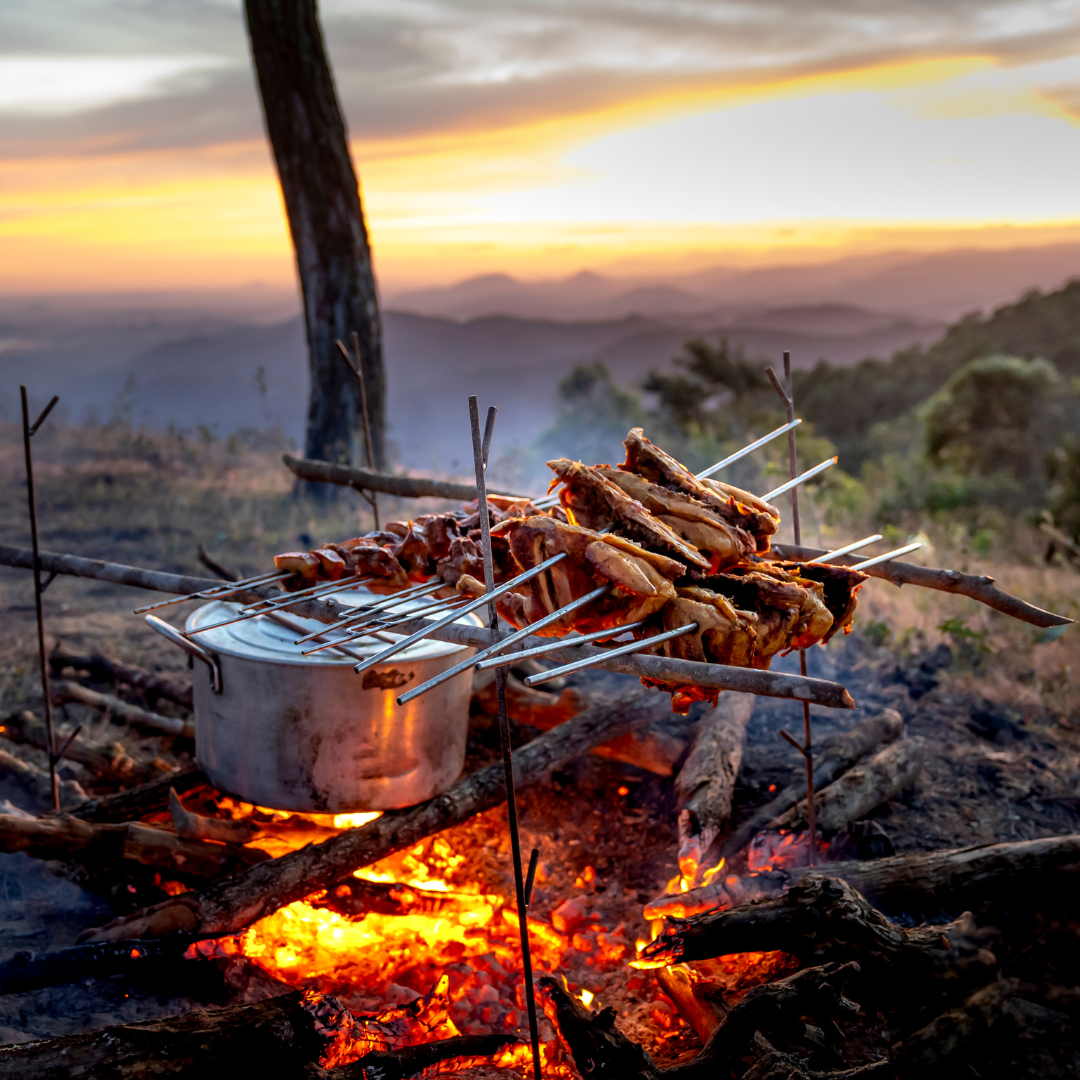
Grill racks allow users to cook larger items like meats and vegetables. Additionally, grill baskets are beneficial for smaller food pieces, preventing them from falling into the fire. For quick meals, consider foil packet cooking, where food is wrapped in foil and placed directly on the coals.
Skewers are simple yet effective for roasting vegetables and meats, while pie irons enable the making of toasted snacks over the fire. Each cookware type serves a specific purpose, enhancing the cooking experience.
Setting Up a Cooking Area
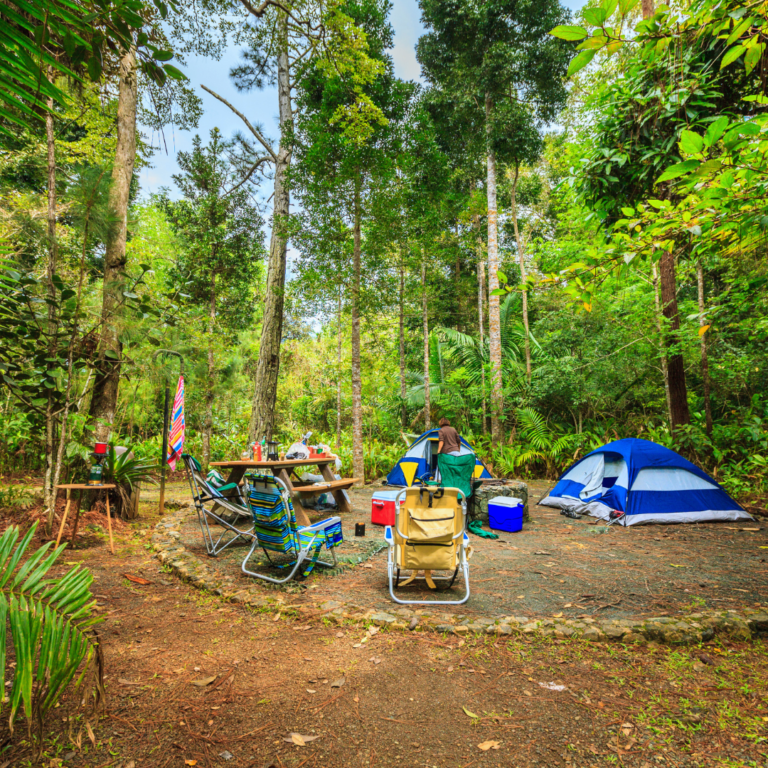
Creating an efficient cooking area is essential for safety and functionality. Begin by selecting a clear, flat surface at a safe distance from the campfire. A heat-resistant table can help manage preparation without cluttering the campfire site.
Arrange ingredients and utensils beforehand to streamline the cooking process. Using a portable grill rack or a flat stone can help create a stable cooking surface.
Always keep a bucket of water or sand nearby to handle unexpected flare-ups. Proper ventilation around the cooking area is also crucial; avoid cooking in enclosed spaces to prevent smoke accumulation.
By preparing the right equipment and setting up thoughtfully, the campfire cooking experience can be enjoyable and efficient.
Fundamentals of Campfire Cooking Techniques
Campfire cooking requires a solid grasp of heat control and an understanding of various cooking methods. Mastering these skills ensures safety and efficiency while creating delicious meals outdoors.
Mastering Heat Control
Controlling heat is crucial in campfire cooking. Flames can fluctuate significantly, so it’s essential to manage the fire effectively.
Methods for heat control include:
- Arranging logs: Use larger logs for coals and smaller twigs for flames. This creates different heat zones.
- Distance from the fire: Adjust the cooking surface to control exposure to direct heat. Cooking closer generates intense heat, while further away provides a gentler cooking method.
Monitoring cooking times is also important. For example, frying requires high heat for a short duration, while boiling can take longer but maintains a consistent temperature. To ensure food is cooked thoroughly and safely, using an electric cooking thermometer can be especially helpful in gauging internal temperatures-particularly when cooking meat over open flames.
Cooking with Direct vs Indirect Heat
Cooking methods can be divided into two categories: direct and indirect heat. Each has distinct applications based on the desired outcome.
Direct heat involves cooking food over the flames. This method is ideal for frying and grilling. Foods like sausages or vegetables can quickly sear, creating a charred exterior while keeping the inside juicy. Cooking requires constant attention to avoid burning.
Indirect heat is used for baking or slow cooking. The fire is placed to one side, allowing heat to circulate the food. This technique is excellent for dishes like casseroles or roasts that need even cooking without burning.
Understanding these techniques can enhance the outdoor cooking experience while prioritising food safety.
Creating Your Campfire Cuisine
Campfire cooking can be a delightful experience, offering the chance to enjoy a variety of meals prepared outdoors. With the right recipes, cooking over an open flame transforms simple ingredients into memorable dishes.
Breakfast Favourites
Breakfast by the campfire can set a positive tone for the day. Eggs are versatile and easy to prepare. They can be scrambled in a pan or cooked in a sturdy, cast-iron skillet. Adding cheese and herbs enhances flavour further.
Pancakes are another favourite. A simple mix of flour, baking powder, sugar, milk, and egg makes fluffy pancakes. Cooking them on a hot griddle over the fire yields a delicious result.
Sausages and bacon can be grilled directly on skewers or in a pan. Pair these proteins with baked beans and toasted bread for a hearty meal. Additionally, grilled corn on the cob seasoned with butter and pepper offers a sweet, savoury choice to start the morning right.
Hearty Main Courses
Main courses can be both filling and enjoyable. Camping allows for creative uses of basic ingredients. Hot dogs can be roasted over the fire, either on a skewer or in a bun, topped with a variety of condiments such as mustard and ketchup.
For a more substantial option, potatoes can be baked in the embers wrapped in foil. Seasoning with butter, salt, and herbs enhances their natural flavour.
Grilled skewers with vegetables such as peppers, onions, and mushrooms are ideal for a hearty option. Marinating the vegetables with olive oil and herbs before grilling adds depth. For a warm soup, using a portable pot with broth allows for a comforting meal on cooler nights.
Sweet Treats and Desserts
For dessert, campfire cooking shines with creativity. S’mores consist of toasted marshmallows and chocolate sandwiched between graham crackers, providing a classic treat.
Another option is banana bread, which can be prepared ahead and heated on the fire for a delightful snack.
For a fruitier dessert, grilling pineapple caramelises its sugars and provides a sweet finish. Simply slice the pineapple and grill it for a few minutes on each side.
Chocolate can also be melted and paired with fruit, adding richness to simpler offerings. These sweet options round off meals enjoyed under the stars.
Best Practices for Campfire Safety and Sustainability
Campfire cooking can be an enjoyable experience, but safety and environmental considerations are essential. Understanding how to prevent wildfires and minimise environmental impact can help maintain a safe and sustainable outdoor space.
Preventing Wildfires
To prevent wildfires, it is crucial to choose a suitable location for the campfire. Select a spot away from overhanging branches and dry vegetation. Ensure that the ground is clear of flammable materials for at least a three-foot radius.
Before lighting a fire, check local regulations, as some areas may have fire restrictions, especially during dry seasons. When building the fire, use kindling like dry twigs and small sticks, and avoid larger logs until the fire is established.
Always keep water or a shovel nearby to extinguish the fire if needed. When finished cooking, fully extinguish the campfire by dousing it with water and stirring the ashes until cool.
Minimising Environmental Impact
Minimising environmental impact is vital when cooking over a campfire. Use aluminium foil for wrapping food, such as mini marshmallows or graham crackers, to reduce cleanup. This technique also helps conserve heat and cook food evenly.
Select dead and downed wood instead of cutting live trees. Take only what is necessary to maintain the surrounding ecosystem.
Pack out all waste and leftover food to prevent attracting wildlife. Additionally, use biodegradable soap for cleaning supplies after cooking, and avoid using harsh chemicals that can pollute the area. By adopting these practices, campers can enjoy their meals while respecting the environment.